
Yin Yoga vs Gentle Hatha Yoga: Which Style Is Right for You?
If you’re searching for Yin Yoga vs Gentle Hatha Yoga, you’re not alone. Slower, gentler styles of yoga have become increasingly popular — especially for people seeking calm, healing, joint support, and nervous system regulation.
At Citta Flow in Kalamunda, Perth Hills, we specialise in classical Gentle Hatha Yoga rather than Yin. Students often ask what the difference is, and which style might be better for their body, age, or health.
This guide explains the key differences between Yin Yoga and Gentle Hatha Yoga, and helps you choose the practice that best supports your wellbeing, mobility, and long‑term health.
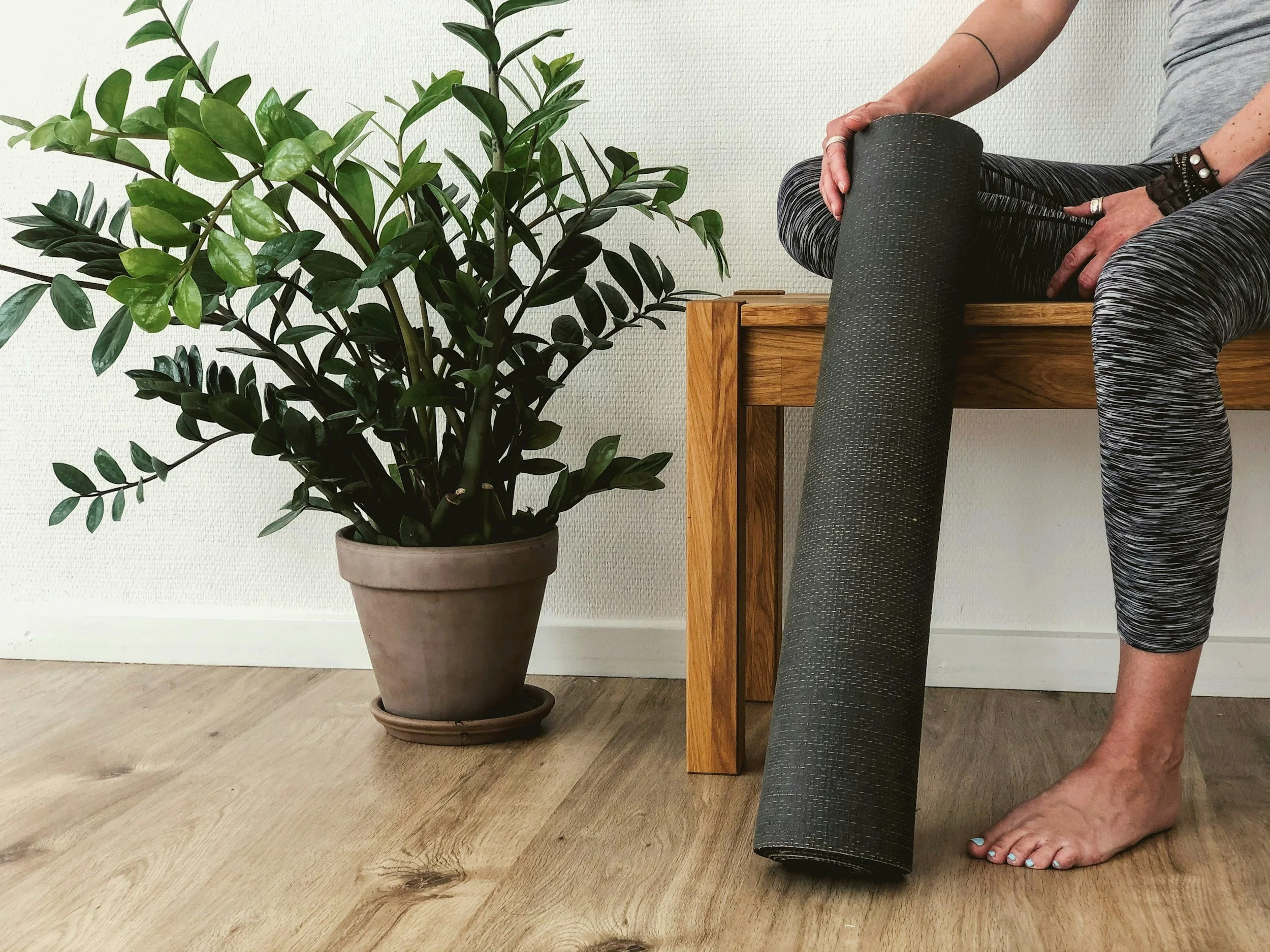
What Is Yin Yoga?
Yin Yoga is a modern yoga style developed in the late 20th century. It draws inspiration from traditional yoga, Taoist philosophy, and Chinese medicine.
In a Yin Yoga class, postures are held for longer periods — usually between two and five minutes — and are mostly practised on the floor. The intention is to gently stress the deeper connective tissues of the body, such as fascia, ligaments, and joints, while cultivating stillness and meditation.
Benefits of Yin Yoga may include:
improved flexibility
increased joint mobility
deep relaxation and stress relief
a calm, meditative state of mind
Because Yin Yoga works directly with the joints and connective tissue, it is not always suitable for everyone. It may not be appropriate for people with:
osteoporosis or low bone density
joint instability or hypermobility
recent injuries
chronic hip, knee, or lower back pain
Long passive holds without muscular support can place extra strain on vulnerable joints.
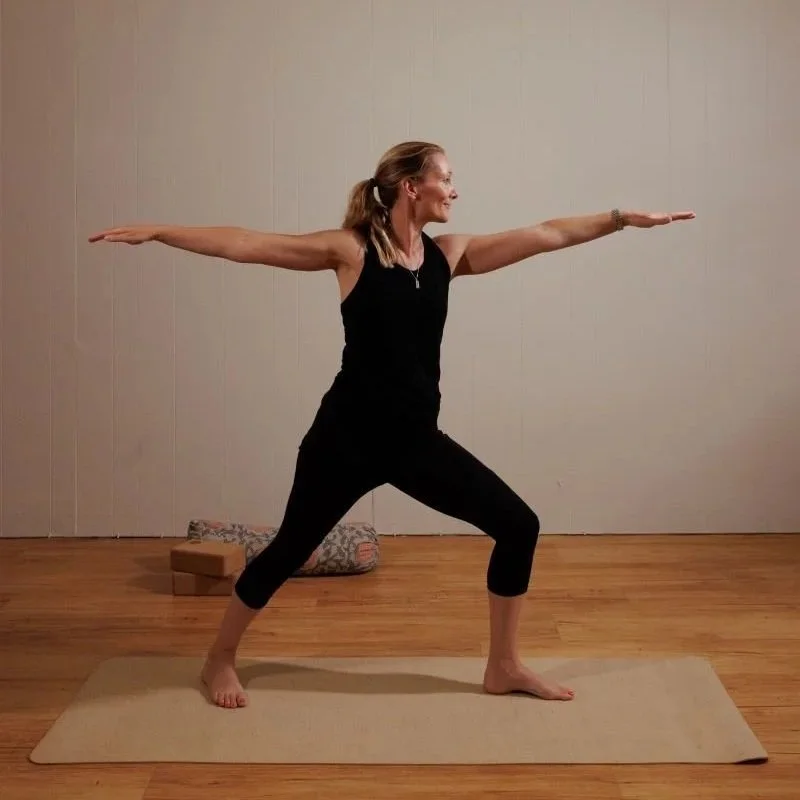
What Is Gentle Hatha Yoga?
Gentle Hatha Yoga is rooted in the classical tradition of yoga. Its purpose is to create balance — between effort and ease, strength and softness, movement and stillness.
In a Gentle Hatha class, postures are practised slowly and mindfully, with attention to:
breath awareness (pranayama)
safe alignment
joint protection and spinal support
individual body differences
Postures may be held for a moderate time, but with gentle muscular engagement to protect the joints and build stability. Movements between poses are slow and breath‑led, helping maintain circulation, warmth, and joint health.
Gentle Hatha Yoga is especially suitable for:
beginners to yoga
mature‑aged students
people recovering from injury or illness
students with arthritis or joint stiffness
anyone seeking nervous system support and calm
Rather than stretching deeply into passive tissues, Gentle Hatha focuses on building strength, balance, mobility, and long‑term resilience.
Yin Yoga vs Gentle Hatha Yoga: Key Differences
Both styles are slow and calming, but they differ in method and intention.
Yin Yoga
long, passive holds (2–5 minutes)
targets fascia, ligaments, and joints
minimal muscular engagement
strongly meditative and still
best for students with healthy, stable joints
Gentle Hatha Yoga
moderate holds with gentle muscular support
protects joint health and spinal alignment
includes slow movement and breath‑led transitions
builds strength, balance, and confidence
suitable for a wider range of ages and conditions
Neither style is better than the other. The right choice depends on your body, health history, and goals.
Join Gentle Hatha Yoga in Kalamunda, Perth Hills
If you’re looking for a calm, supportive yoga class in Kalamunda or the Perth Hills, I warmly invite you to explore our Gentle Hatha Yoga classes at Citta Flow.
Whether you are new to yoga, returning after a break, or seeking a safer alternative to Yin Yoga, you are very welcome.
View our class schedule and book via Momoyoga, or contact us if you’d like help choosing the right class for you.
