
Understanding Different Styles of Yoga and Who They Suit
Yoga has grown enormously across the Western World, and here in Kalamunda and the Perth Hills, with many people discovering its benefits for strength, mobility, balance, and overall wellbeing. If you’ve been looking for Hatha Yoga in Kalamunda or wondering which style of yoga might suit you best, it can be helpful to understand the differences between the main approaches and what each one offers.
While most yoga styles shares common roots—breath, awareness, and movement—different styles vary in pace, intensity, and focus.
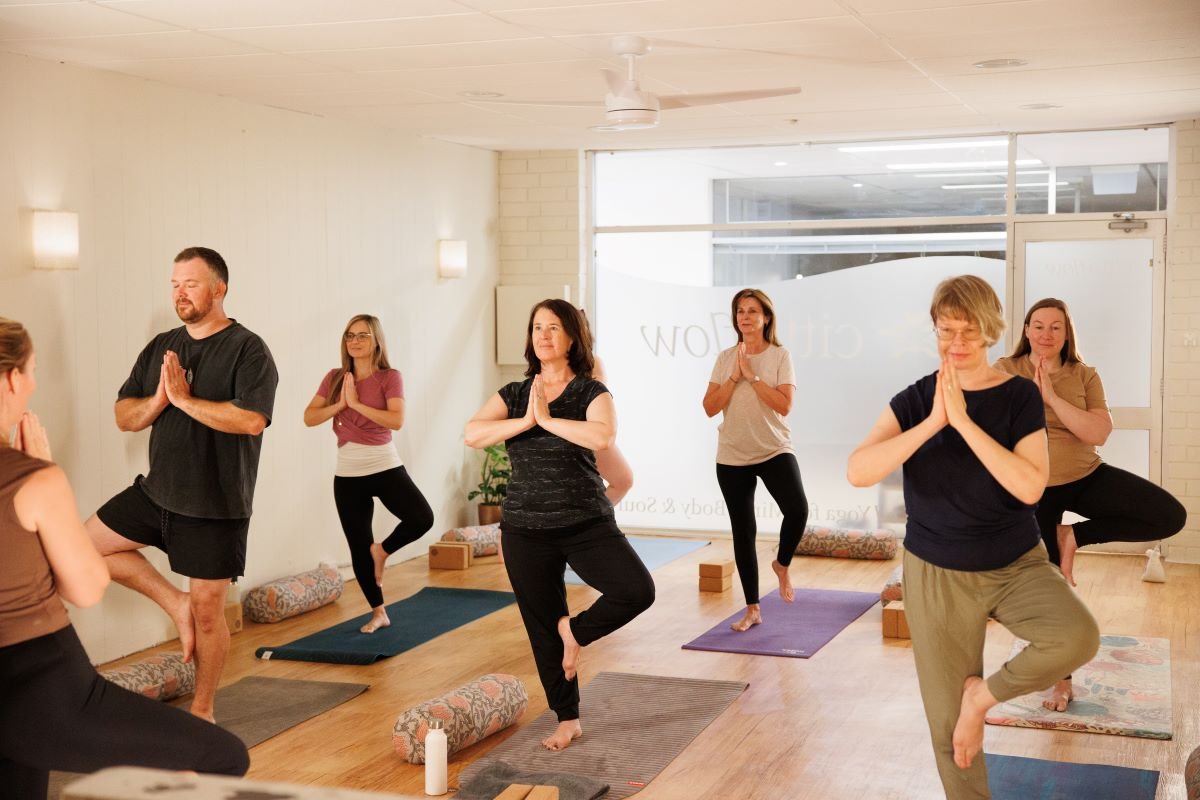
What Is Hatha Yoga?
Traditionally, Hatha Yoga refers to the physical practice of yoga that combines postures (asana), breath techniques (pranayama), and relaxation. In modern studios, Hatha often means a steady, mindful class where poses are held long enough to build strength, improve flexibility, and develop awareness.
Benefits of Hatha Yoga
Builds strength gradually and safely
Improves flexibility and joint mobility
Enhances posture and balance
Encourages calm, steady breathing
Suitable for beginners and experienced practitioners alike
Because of its moderate pace and clear guidance, Hatha Yoga in the Perth Hills is often a good starting point for people new to yoga, as well as those wanting a sustainable, long-term practice.
Comparing Popular Styles of Yoga
Here’s how Hatha compares with other well-known styles you may see offered in studios around Perth and Kalamunda.
Yin Yoga
Yin Yoga is a slow, meditative style where poses are held for several minutes, usually on the floor. The intention is to gently stress connective tissue such as fascia, ligaments, and joints. Yin originated from merging Taoist principles with anatomy to target deep connective tissues.
Benefits
Deep stretching and improved joint mobility
Encourages stillness and mindfulness
Complements more active exercise
Best suited for
People who feel stiff or tight
Those wanting a quiet, introspective practice
Athletes seeking recovery and mobility work
Yin is very passive compared with Hatha, which usually includes more muscular engagement and movement.
Vinyasa Yoga
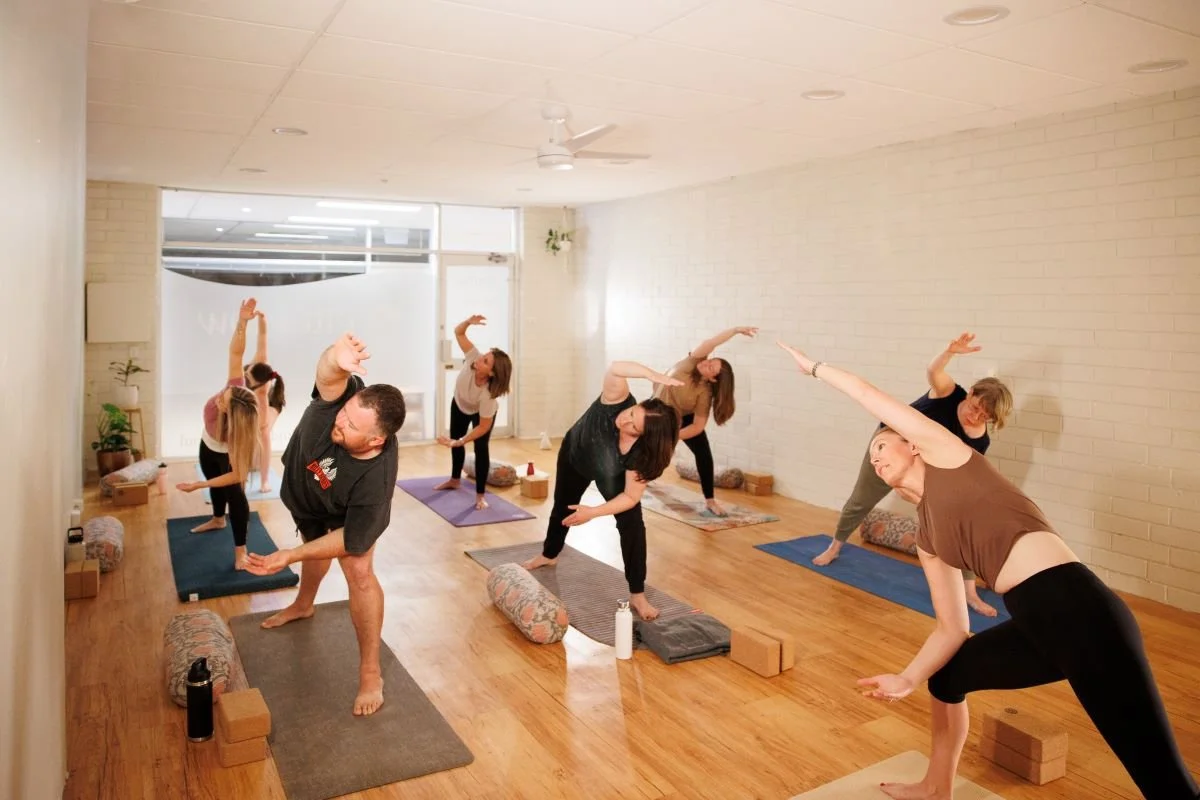
Vinyasa Yoga links movement with breath in a flowing sequence. Classes often move continuously from one posture to another.
Benefits
Builds cardiovascular fitness
Improves coordination and strength
Energising and dynamic
Best suited for
Physically fit students who enjoy movement and variety
Those looking for a more physically demanding practice
Compared with Hatha, Vinyasa tends to be faster and more physically intense.
Slow Flow Yoga
Slow Flow is similar to Vinyasa but at a gentler pace, with more time to transition and feel each posture.
Benefits
Builds strength while maintaining accessibility
Easier to follow than faster flows
Balances movement with mindfulness
Best suited for
Beginners wanting to try flowing yoga
People who want a moderate pace
Slow Flow often sits between Hatha and Vinyasa in intensity.
Ashtanga Yoga
Ashtanga Yoga is a structured, traditional style using a set sequence of postures practiced in the same order each time.
Benefits
Builds strength, stamina, and discipline
Creates measurable progress
Develops strong breath control
Best suited for
Physically fit students
Those who enjoy routine and challenge
Ashtanga is typically more vigorous than Hatha and requires a higher level of physical readiness.
Iyengar Yoga
Iyengar Yoga focuses on precision, alignment, and the use of props such as chairs, blocks, straps, and bolsters. Poses may be held longer to refine technique.
Benefits
Excellent for improving posture and alignment
Very accessible with modifications
Supports injury prevention and rehabilitation
Best suited for
Beginners wanting detailed instruction
People recovering from injuries
Anyone interested in refining technique
Iyengar shares some similarities with Hatha, particularly in its attention to alignment and mindful pacing.
Chair Yoga
Chair Yoga adapts traditional yoga postures so they can be practiced seated or with the support of a chair.
Benefits
Improves mobility, circulation, and balance
Reduces fear of falling
Accessible for limited mobility
Best suited for
Seniors
People recovering from illness or injury
Anyone who finds it difficult getting up and down off floor
Chair Yoga brings the benefits of yoga to people who might otherwise feel excluded from traditional classes.
How to Choose the Right Style of Yoga
When deciding which style to try, consider:
Your current fitness and mobility level
Whether you prefer slow or dynamic movement
Whether relaxation or physical challenge is your main goal
Any injuries or health considerations
Many people in Kalamunda and the Perth Hills find that beginning with Hatha or Gentle Hatha Yoga provides a strong foundation before exploring other styles.
The Benefits of Practicing Yoga Locally in the Perth Hills
Practicing yoga close to home has unique advantages:
A sense of community and familiarity
Smaller class sizes and more personal guidance
Consistency, which is key to seeing results
A calm environment that supports relaxation
In smaller studios, teachers often get to know students personally, allowing for safer and more supportive classes.
Why Hatha Yoga Remains So Valuable
While newer, faster styles of yoga often receive the most attention, Hatha Yoga continues to be one of the most effective and sustainable practices. Its balanced approach builds strength, flexibility, and calmness without excessive strain, making it suitable for a wide range of ages and abilities.
For many people, especially those seeking yoga in Kalamunda or the Perth Hills, Hatha offers something increasingly rare: a practice that supports the body, steadies the mind, and can be maintained for years.
Yoga is most powerful when it becomes part of a regular rhythm. Whether you’re new to yoga or returning after a break, our Hatha and Gentle Hatha classes in Kalamunda are designed to help you build confidence, strength, and ease at your own pace.
We keep classes small so every student receives guidance and support.
Explore classes and find a time that suits you →
