
The Art of Rest in Restorative Yoga
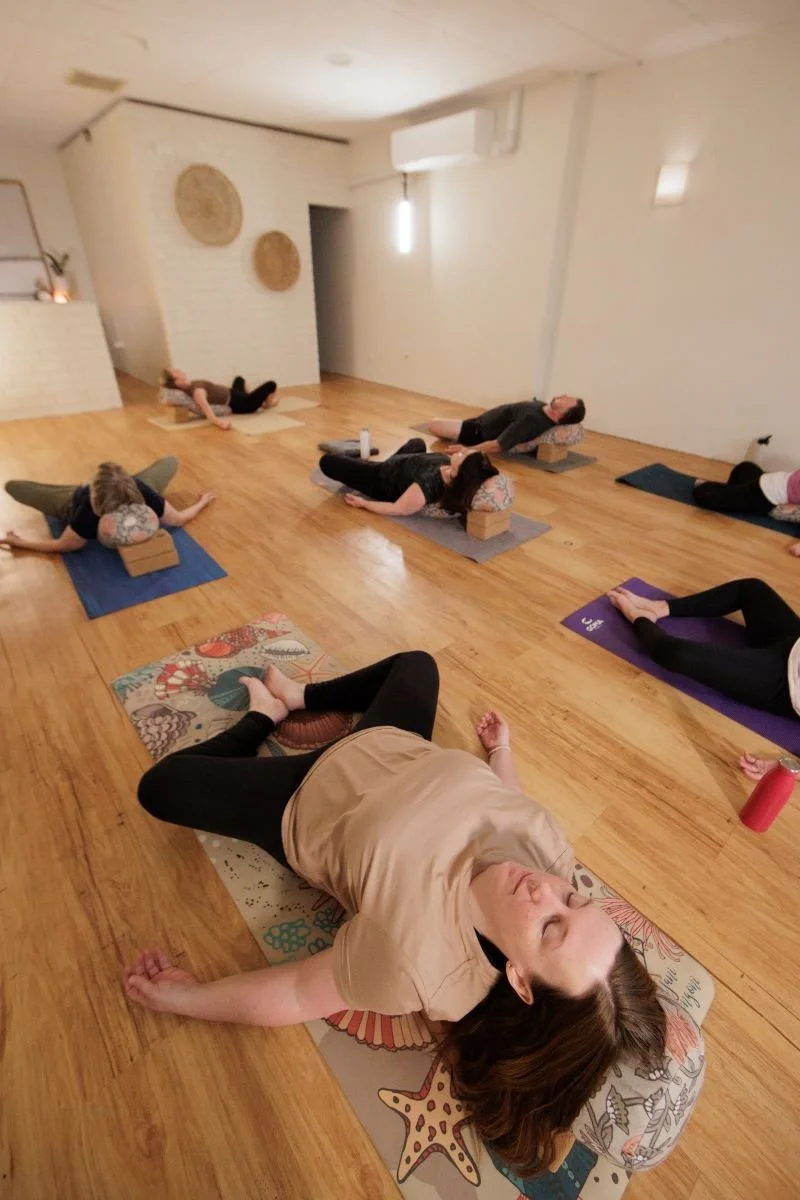
Restorative yoga has a quiet, powerful presence in the yoga world. It doesn’t demand effort or performance. Instead, it offers something many people are deeply missing—true rest.
What is Restorative Yoga?
Restorative yoga is a slow, gentle practice designed to support the body in complete relaxation. Poses are held for longer periods—often 5 to 20 minutes—using props like bolsters, blankets, and blocks to fully support the body.
Rather than stretching or strengthening, the intention is to release tension, settle the nervous system, and allow the body to rest deeply.
It’s less about “doing” and more about being.
Where Did Restorative Yoga Originate?
Restorative yoga has its roots in the teachings of B. K. S. Iyengar, one of the most influential yoga teachers of the modern era. Iyengar emphasised alignment, precision, and the therapeutic use of props to support the body.
One of his students, Judith Hanson Lasater, further developed these ideas into what we now know as Restorative Yoga. She recognised the profound impact that deep rest could have on the nervous system, particularly in a fast-paced, stress-filled modern life.
How is it Different from Other Styles?
Most modern yoga styles—even gentle ones—focus on movement, stretching, or building strength.
Restorative yoga is different in a few key ways:
No effort or strain
The body is fully supported so muscles can soften completely.Long-held poses
Instead of flowing from one posture to another, you settle into stillness.Focus on the nervous system
The aim is to shift the body out of “fight or flight” and into “rest and digest.”Minimal instruction once settled
You’re guided in, then given space to rest.
Compared to styles like Vinyasa or even Hatha, restorative yoga is slower, quieter, and far more passive—yet often more challenging in a different way, as it asks you to slow down and be present.
Who is Restorative Yoga For?
Restorative yoga is particularly supportive for:
People feeling stressed, overwhelmed, or burnt out
Those with busy, demanding lives who struggle to switch off
Anyone experiencing fatigue, poor sleep, or anxiety
People recovering from illness, injury, or emotional strain
Beginners who want a gentle, accessible entry into yoga
It’s also incredibly valuable for those who are always “on”—the ones others rely on—who rarely give themselves permission to rest.
The Benefits of Restorative Yoga
While it may look simple, the benefits run deep:
Calms the nervous system
Helps reduce chronic stress and brings the body back into balanceImproves sleep quality
Supports deeper, more restful sleepReduces muscle tension
Allows the body to release held stress without effortSupports emotional wellbeing
Creates space to process and softenEnhances overall energy
True rest restores, rather than drainsImproves focus and clarity
A settled mind leads to clearer thinking
Over time, many people notice they feel steadier, calmer, and more connected to themselves.
A Different Kind of Practice
Restorative yoga can feel unfamiliar at first—especially if you’re used to pushing through or staying busy. But that’s often where its value lies.
It offers a rare opportunity to pause.
To be supported.
To rest without needing to earn it.
And in a world that constantly asks for more, that can be quietly transformative.