
In a world that often celebrates speed, productivity, and intensity, slow yoga offers something profoundly valuable: regulation, restoration, and reconnection. While gentle movement and mindful breathing may appear simple on the surface, the science behind slow yoga reveals why this practice can have such a powerful effect on the body and mind.
Slow yoga is not about doing less. It is about creating the right conditions for healing, balance, and sustainable wellbeing.
What Is Slow Yoga?
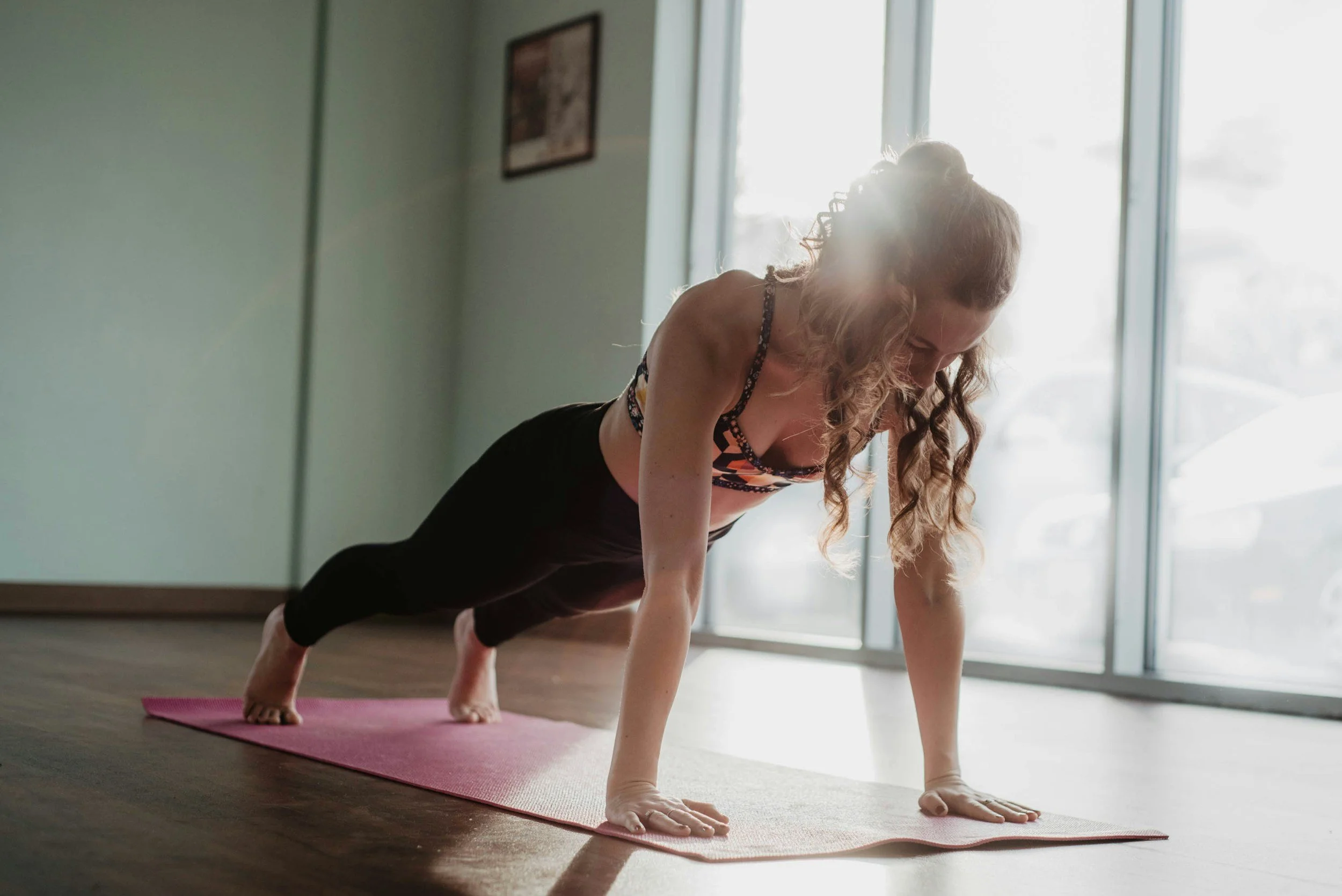
Slow yoga is a mindful style of practice where movements are performed gradually, poses are held longer, and transitions are intentional. Breath awareness is central, and there is space to notice sensations, thoughts, and patterns without rushing.
Unlike fast-paced fitness styles, slow yoga prioritises nervous system health, mobility, joint support, emotional steadiness, and inner calm.
1. Slow Yoga Regulates the Nervous System
Modern life can keep many people in a constant state of stress. When we are under pressure, the sympathetic nervous system activates the fight-or-flight response. Heart rate rises, breathing becomes shallow, muscles tense, and stress hormones like cortisol increase.
Slow yoga helps shift the body into the parasympathetic nervous system, often called the rest-and-digest state.
This happens through:
Slow, steady breathing
Gentle movement
Longer exhalations
Mindful attention
Supported rest postures
When the parasympathetic system is activated, heart rate slows, digestion improves, muscles soften, and the body can begin repair processes.
2. Breath Changes Brain and Body Chemistry
The breath is one of the fastest ways to influence the nervous system.
Slow diaphragmatic breathing stimulates the vagus nerve, a key communication pathway between the brain and body. Healthy vagal tone is linked with emotional regulation, lower anxiety, improved digestion, and better cardiovascular health.
Research has shown that slower breathing patterns can help:
Reduce stress responses
Lower blood pressure
Improve heart rate variability
Increase feelings of calm
Enhance focus and mental clarity
In slow yoga, breath is not separate from movement. It guides it.
3. Slow Movement Improves Mobility Safely
Many people believe flexibility comes from forcing stretches. In reality, lasting mobility improves when the nervous system feels safe.
When movements are slow and controlled:
Muscles are less likely to guard or brace
The brain receives clearer feedback from joints and tissues
Coordination improves
Range of motion can gradually increase
Risk of strain is reduced
Slow yoga supports mobility through patience rather than pushing.
4. It Reduces Chronic Tension Patterns
Stress often lives in the body as habitual tension, particularly in the jaw, neck, shoulders, hips, and lower back.
By slowing down, students begin to notice where they grip unnecessarily. Awareness is the first step to change. Gentle postures combined with breath create an opportunity to release holding patterns that may have built over years.
This is one reason many people feel lighter and freer after a slow practice.
5. Slow Yoga Supports Mental Health
Studies on yoga and mindfulness suggest benefits for anxiety, mild depression, stress management, and sleep quality.
Slow yoga can help because it combines three evidence-based tools:
Movement
Breath regulation
Present-moment awareness
Together, these practices can reduce rumination, quiet mental overload, and create a sense of steadiness.
For many people, slow yoga becomes less about touching their toes and more about finding peace in their own body.
6. Recovery Happens in Rest
Healing does not happen when we are constantly pushing. It happens when effort and recovery are balanced.
Slow yoga is especially valuable for:
Busy professionals
Parents carrying mental load
Athletes needing recovery
People returning after illness or injury
Anyone feeling tired, anxious, or overwhelmed
Older adults seeking sustainable movement
Restorative poses, supported shapes, and conscious relaxation allow the body to replenish energy rather than deplete it.
Slow Yoga in a Fast World
There is a common belief that harder always means better. Yet biology tells a different story. The body thrives with rhythms of activation and recovery, movement and stillness, effort and ease.
Slow yoga honours these rhythms.
It teaches us that calm is productive, rest is intelligent, and gentleness can be deeply transformative.
Final Thoughts
The science behind slow yoga is clear: when we slow the breath, soften the body, and regulate the nervous system, we create the internal environment where healing and resilience can grow.
Slow yoga is not a lesser practice. It is a wise one.
If life has felt full, fast, or demanding lately, perhaps the most powerful thing you can do is slow down.
Ready to experience the benefits of slow yoga for yourself?
Join us at Citta Flow for our nourishing Gentle Hatha and Flow & Restore classes, designed to help you move with ease, calm the nervous system, release tension, and restore your energy.
Whether you are a beginner, returning to yoga, or simply needing space to slow down, you are warmly welcome.
View the timetable and book your class today.
